

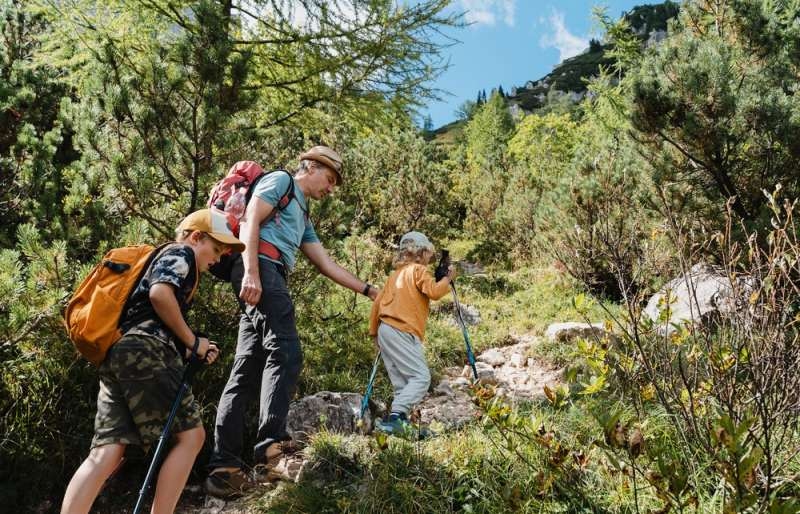
Honestly, hiking in Phoenix isn’t just about ticking off summits. The desert’s always changing—from red sandstone and towering saguaros to mountain ridges that light up orange at dusk. Wildlife shows up, too, especially if you hit the trail early before things heat up.
There are plenty of places to hike around the city, but every trail feels different. Some are steep and tough, others make for an easy walk after work. It really comes down to what matters most—fitness, scenery, how many other hikers you want to see, and how much time you’ve got. The best hikes in Phoenix aren’t always the highest or hardest. Sometimes that quick, easy path ends up being your favorite.
This blog compares the top Phoenix trails for views, wildlife, sunset potential, and different kinds of hikers.
Phoenix hiking spots range from rugged mountain summits to desert parks with unusual rock formations. The following trails offer a practical mix of difficulty levels and scenery.
| Trail | Difficulty | Best For | Estimated Time |
|---|---|---|---|
| Camelback Mountain Echo Canyon | Difficult | Panoramic views | 2–3 hours |
| Piestewa Peak Summit Trail #300 | Difficult | Fitness and wildlife | 2–3 hours |
| Papago Park Hole-in-the-Rock | Easy | Sunsets and photography | 30–60 minutes |
| South Mountain Park | Easy to Difficult | Variety and wildlife | Varies |
| Fat Man's Pass | Moderate | Rock formations | 1.5–2 hours |
| Two Bit Peak Trail | Moderate | Quiet desert scenery | 2–3 hours |
| Mormon Trail | Moderate | Mountain views and exercise | 1–2 hours |
Phoenix has a ton of trails, but if you’re after a real workout, some hikes stand out for their steep climbs, rocky paths, and killer summit views.
Camelback Mountain's Echo Canyon Trail is probably the most famous. It’s no joke—steep, rocky, and tough enough that you’ll need your hands in a few spots. This trail isn’t for beginners or anyone looking for a gentle walk.
The reward comes near the summit, where hikers get broad views across Phoenix and surrounding desert mountains. Early morning is usually the most comfortable time to hike. Sunset can be beautiful, but descending after dark requires preparation and a reliable light.
If you love a real challenge and you’re comfortable scrambling over rocks with a lot of exposure, this one’s for you.
Piestewa Peak Summit Trail #300 is another favorite among folks who want a tough climb. You’ll head up a rocky spine almost the whole way, and there’s barely any shade. Expect a proper workout rather than a relaxed nature walk.
The summit provides excellent views of Phoenix's urban landscape, desert valleys, and distant mountain ranges. Desert birds, rabbits, and other wildlife may appear along quieter sections, especially outside peak afternoon hours.
For many hikers, this is one of the best hikes in Phoenix when fitness matters as much as scenery.
Don't Miss: Phoenix Outdoor Adventure Guide: Hiking and Biking Trails
Bring water, because you’ll sweat. The payoff? Fantastic views and a serious sense of accomplishment.
Now, if you don’t want something so intense, Phoenix still has plenty to offer. South Mountain Park and Preserve is massive, with a wide choice of trails for any level. You can go for an easy stroll, pick a moderate climb, or tackle a longer, more demanding route depending on your mood and how much time you have.
The preserve is especially useful for wildlife watching because the extensive desert landscape provides varied habitats. Birds, lizards, rabbits, and occasionally larger desert animals can be spotted. Keep distance and never feed wildlife.
Dobbins Lookout is a popular destination for panoramic city views. The wide landscape makes South Mountain particularly impressive around sunset.
Papago Park is one of the easiest hiking places in Phoenix to recommend for visitors who want scenery without a demanding climb. Not every hike has to mean a leg-burning ascent. Papago Park’s Hole-in-the-Rock Trail is short and sweet.
Just a quick walk brings you to a natural opening in the red sandstone. This trail works well when time is limited. You can enjoy the landscape without spending half a day on a mountain.
It’s perfect if you love photography, especially at sunrise or sunset when the rocks glow. Families and casual hikers like it, too. The ground can be a bit uneven, but it’s totally manageable.
If you want something a little off the beaten path, try Fat Man’s Pass. This route is all about squeezing through a slim sandstone passage and exploring cool rock formations. It’s close to South Mountain, not especially long, but the narrow spots and scrambles keep things interesting.
Wear good shoes and take your time—rushing through the tight gap is a bad idea. It’s not a big climb, but the rocks make it memorable.
Last, check out Two Bit Peak Trail for some quiet. It’s not as crowded, so you can just enjoy the open desert, the cacti, and the wide views. The scenery is classic Sonoran Desert, and the atmosphere is peaceful, with far fewer people scrambling for that summit photo.
The trail is moderate and requires some route awareness, particularly in changing weather or less familiar sections. It is better suited to hikers carrying water and basic navigation tools.
Two Bit Peak is a good choice when the goal is a peaceful desert experience rather than checking off the most famous summit.
Mormon Trail is one of the more accessible hiking places in Phoenix for people wanting a steady climb without committing to Camelback's intensity. The trail offers mountain views, desert vegetation, and connections to other routes around South Mountain.
The incline provides a useful workout, while the surrounding landscape remains visually varied. It is often a practical choice for regular hikers building endurance.
For sunset, choose a time that leaves enough daylight for the return journey. Desert trails become harder to navigate after dark.
| Trail | Crowds | Wildlife Potential | Sunset Appeal | Fitness Level |
|---|---|---|---|---|
| Camelback Mountain | High | Moderate | Excellent | High |
| Piestewa Peak | High | Moderate | Excellent | High |
| South Mountain | Moderate | High | Excellent | Flexible |
| Papago Park | High | Moderate | Excellent | Low |
| Fat Man's Pass | Moderate | Moderate | Good | Moderate |
| Two Bit Peak | Lower | High | Good | Moderate |
| Mormon Trail | Moderate | Moderate | Good | Moderate |
The table shows why no single trail suits everyone. Papago Park works for easy sightseeing, while Camelback and Piestewa Peak demand more effort. South Mountain offers the broadest range of options.
Also Read: What are the Best Phoenix Biking Trails for Beginners?
Picking the best Phoenix hike depends on what you want out of your day. Camelback and Piestewa are tough climbs with big payoffs. Papago Park is a breeze and especially nice at sunset. South Mountain offers the most variety and chances to spot wildlife, thanks to its huge network of trails.
For a quieter outing, Two Bit Peak, Fat Man’s Pass, and Mormon Trail give regular hikers something a little different. Whatever your skill level, there’s something here—whether you’re snapping photos, training for fitness, or just looking for a desert escape close to home. Start early, bring water, stay alert for wildlife, and watch the clock so you’re not stuck after dark.
Specific rules apply to each park and specific trail. Some mountain routes prohibit the use of pets due to heat or challenging terrain; additionally, many localities only permit dogs to be on a leash.
Water facilities are available at some trailheads, but hikers should never assume the presence of water. Bring adequate water exchange from the outset, particularly in warm weather!
Beginners should select shorter and well-marked routes at first, and let somebody know about it. Even the popular trails will be difficult when the temperatures ramp up, and the dips are deep.
Do not provoke the snake, do not encourage it to move toward you, and don't crowd it! Never attempt to touch, move, or photograph it from close range.
Yes, there are outdoor companies and parks in the area offering guided desert hikes. These can be helpful when visitors don't know the route well, don't have an interest in desert wildlife, or are inexperienced with desert navigation.
This content was created by AI